
Microneedling – Frequently Asked Questions
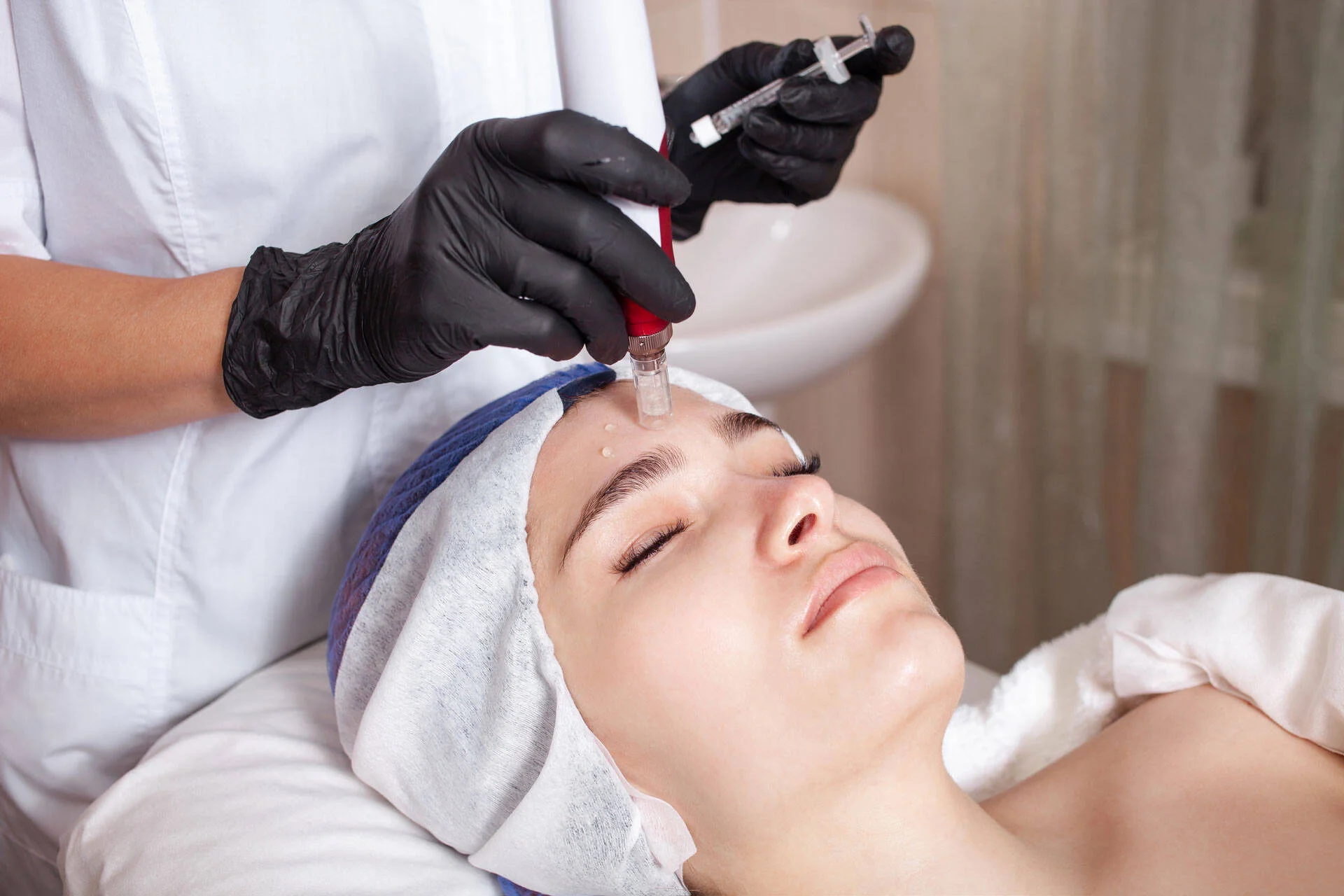
Microneedling has the ability to address a range of concerns, from fine lines and acne scars to overall skin rejuvenation. In this article, we’ve compiled answers to a FAQ about microneedling.
How does Microneedling work?
Microneedling, also known as collagen induction therapy, is a minimally invasive cosmetic procedure designed to improve skin texture and appearance by stimulating the body’s natural healing processes. It works by the creation of microinjuries, by the needles that are repetitively inserted into the skin at various depths. These microtrauma trigger a cascade of wound healing processes, stimulating collagen and elastin production. This in turn will lead to improvement of the skin quality, tone, and texture, reducing fine lines, wrinkles and improving scars leading to smoother texture. A more youthful look will eventuate.
In addition, microneedling by creating microchannels in the skin can be used to assist in increasing the absorption of skin care products and hence enhance their efficacy.
How long will my Microneedling treatment take?
A microneedling treatment session typically takes about 30 to 60 minutes, depending on several factors such as the size of the area being treated, the specific device being used, and the individual needs.
The procedure may include additional time before the treatment for preparation, such as cleansing the skin and applying a topical numbing cream to enhance comfort.
Our experienced practitioners will be able to provide a more precise estimate based on your treatment plan.
When will I notice results from my Microneedling treatment?
You may start to notice initial results from your microneedling treatment within a few days after the procedure, as your skin begins to heal, and some immediate plumping and glow may occur. However, because microneedling works by stimulating collagen and elastin production, which takes time, the most notable improvements usually become visible over the course of several weeks to months.
How long do the results of Microneedling last?
The results of microneedling can vary depending on individual factors such as skin condition, age, and skincare routine, but generally, the effects can last several months. This typically lasts 3-6 months. With regular maintenance therapy the improvement will be sustained.
Combining microneedling with a consistent skincare regime and healthy lifestyle can also help maximize and prolong the results. To determine the best treatment schedule for your needs, a consultation with your practitioner is recommended.
How is Microneedling procedure performed?
The following steps are followed:
Consultation is conducted to assess your skin type, discuss your goals, and determine if microneedling is suitable for you. You will be requested to sign a consent form agreeing to proceed with the procedure. The consent usually is composed of three parts, consenting for the procedure, consenting for pre and post procedure photography and consent of cost disclosure. Another consent of agreement regarding use of deidentified photographs in websites, studies or in academic forums and research is also discussed and signed either as acceptance or rejection.
Preparation: On the day of the procedure, your skin will be thoroughly cleansed to remove any makeup, oils, or debris.
Numbing is achieved by applying a topical numbing cream to minimize discomfort during the procedure which is usually left on for about 20-30 minutes to take effect.
Microneedling Process: The microneedling device is then used in the treatment area at variable depths to create the microinjuries to the skin, stimulating the body’s natural wound healing process.
The device is moved evenly across the skin to cover the entire treatment area. Depending on the device and settings, needle depth and speed can be adjusted based on the area being treated and the condition of the skin.
Post-Procedure Care: a soothing serum or a cosmeceutical may be added to enhance the effect of treatment.
Aftercare instruction will be provided to you to follow at home to minimise discomfort, avoid complications and optimise results.
Follow-Up: Multiple sessions are often recommended for optimal results, typically spaced a few weeks apart. Our practitioners will devise a treatment plan tailored to your needs.
How do I prepare for my Microneedling treatment?
To avoid unnecessary inconvenience in treatment delay or cancellation the following advice is useful to follow:
1. Avoid Sun Exposure
Minimize sun exposure and avoid tanning beds for at least a week before your appointment.
2. Discontinue Certain Skincare Products
- Stop using retinoids, alpha-hydroxy acids (AHAs), beta-hydroxy acids (BHAs), and other exfoliating or potentially irritating products at least 3-5 days before treatment.
- Avoid strong topical medications, unless otherwise advised by your practitioner.
3. Hydration
Stay well-hydrated in the days leading up to your appointment by drinking plenty of water, as this helps to maintain skin health and resilience.
4. Avoid Blood Thinners
If possible, avoid blood-thinning medications and supplements, such as aspirin, ibuprofen, or vitamin E, a few days before your treatment. Consult your healthcare provider before stopping any prescribed medications.
5. Avoid Alcohol and Smoking
Refrain from consuming alcohol and smoking for at least 24 hours before the procedure, as these can affect the healing process.
6. Clean Skin
On the day of your appointment, arrive with clean skin free of makeup, lotions, or creams. Your practitioner will also cleanse your skin prior to the procedure.
7. Health & Wellness
Ensure you are in good overall health and not experiencing any active skin infections, inflammation, or open wounds in the treatment area.
Is Microneedling painful?
Microneedling can cause some discomfort, but it is generally well-tolerated by most patients. The level of pain can vary depending on factors such as the depth of the needles, the area being treated, individual pain tolerance, and the specific device used. We use topical numbing cream to minimise the discomfort. Some areas of the skin such as around the eyes, or lips and around more superficial nerves, may be more sensitive than others.
Microneedling aftercare?
After microneedling, proper aftercare is essential to maximize the benefits of the treatment and minimize potential side effects. Here are some general aftercare guidelines to follow:
1. Protect the Skin
- Avoid direct sun exposure for at least a week after treatment.
- Use a broad-spectrum sunscreen with at least SPF 30+ when outdoors.
- Wear a hat or protective clothing if you need to be outside.
2. Gentle Cleansing
- Cleanse your face with a gentle, non-exfoliating cleanser. Avoid using hot water; instead, use lukewarm water.
- Pat your skin dry with a clean, soft towel.
3. Moisturize
- Use a gentle, hydrating moisturizer to soothe your skin and support healing.
- Avoid products with active ingredients like acids and retinoids for at least a week, unless otherwise advised by your practitioner.
4. Avoid Makeup
Refrain from applying makeup for at least 24 hours post-treatment to allow your skin to breathe and heal properly.
5. No Strenuous Exercise
Avoid activities that cause excessive sweating for at least 48 hours, as this can irritate the skin.
6. Avoid Alcohol and Smoking
Refrain from alcohol and smoking for a few days post-treatment, as these can impede the healing process.
7. Monitoring
Some redness, swelling, and sensitivity are normal and should subside within a few days. If you experience any unusual or persistent side effects, contact your practitioner.
How often can I have Microneedling treatments?
The frequency of microneedling treatments depends on several factors, including your skin type, the specific skin concerns being addressed, and the depth of the microneedling procedure. It is however generally recommended to have several sessions (six on average) with 4 to 6 weeks intervals. When microneedling is used for scar treatment the number of sessions are increased and the interval is further spaced to 6 to 8 weeks.
Are Microneedling treatments safe?
Yes, microneedling treatments are generally considered safe when performed by trained and qualified professionals and the pre and post-treatment instructions and aftercare is followed properly.
Can Microneedling be used for body contouring?
Microneedling is not typically used for body contouring. Instead, it is primarily employed to improve skin texture, tone, and appearance. It is effective for minimizing the appearance of scars, stretch marks, fine lines, and wrinkles by stimulating collagen production and encouraging skin rejuvenation.
Body contouring is best served by the use of HIFU (High-Intensity Focused Ultrasound), Cryolipolysis (CoolSculpting), Laser Lipolysis and Radiofrequency Treatments. Ask our practitioners about these therapies.
Is Microneedling suitable for all skin types?
Yes, microneedling is generally considered suitable for all skin types. Although the risk of hyperpigmentation in darker skin types is present, this is rare and often minimised by pretreatment programs designed by our practitioners. It is also important that when undertaking such treatment, the qualification, experience and care by the practice and practitioners play a crucial role in reducing such risk.
It’s critical for individuals to have a proper consultation with a skincare professional to assess their skin type and discuss any specific concerns or conditions that might affect the treatment process or outcomes.
Can I combine Microneedling with other aesthetic treatments?
Yes, microneedling can often be combined with other aesthetic treatments to enhance overall results, but the combination should be carefully planned and supervised by a qualified professional. Here are some treatments commonly combined with microneedling:
- LED Light Therapy.
- Topical Serums: such as growth factors, hyaluronic acid, or vitamin C and exosomes.
- Platelet-Rich Plasma (PRP).
- Chemical Peels can sometimes be used in conjunction with microneedling to address hyperpigmentation and improve skin texture.
- Radiofrequency (RF) treatment to address surface skin problems.
However, the timing of each treatment type should be carefully considered to avoid irritation.
While these combinations can enhance results, it’s essential to have them administered by a professional who can evaluate your skin type and concerns to create a safe and effective treatment plan. Always disclose any treatments you have undergone or plan to undertake to ensure compatibility and safety.
How much downtime do I need after Microneedling treatment?
Microneedling generally involves minimal downtime, which is one of its appealing features. However, some after-effects may vary depending on the individual and the extent of the treatment. Typically, you can expect:
Immediate Effects: Right after the procedure, you may experience redness and mild swelling, resembling a sunburn. This typically subsides within 24 to 48 hours.
Recovery Time: Most people find that they can return to their normal activities the day after treatment, although slight redness or sensitivity may persist for a couple of days.
Skin Sensitivity: Your skin might feel more sensitive or look slightly pink for a few days following the treatment.
Complete Recovery: By about three to seven days, the skin generally recovers its normal appearance as the minor redness and sensitivity resolve.
What can Microneedling do for me and what parts of my body can I use it for?
Microneedling can offer several benefits for your skin, helping to address a range of concerns. Here’s what microneedling can do for you:
- Improve Skin Texture and Tone
- Reduce Fine Lines and Wrinkles
- Minimize and improve Scarring
- Diminish Stretch Marks
- Enhance Product Absorption
Areas of the body where microneedling can be used are:
- Face
- Neck and Décolletage
- Scalp: to promote hair growth
- Hands
- Abdomen, Thighs, and Buttocks
Who will benefit most from Microneedling treatment?
- People Dealing with Fine Lines and Wrinkles.
- Those Looking to Improve Skin Texture and Tone.
- Individuals with Hyperpigmentation.
- People with Stretch Marks.
- Patients Seeking Enhanced Product Absorption.
- Those Interested in Preventive Anti-Aging Treatments.
How much will a treatment for Microneedling cost me?
The cost of microneedling treatments can vary depending on a number of factors, including the specific area being treated, any additional services or products provided during the session and the nature of the concern that needed to be addressed. We generally offer treatment in the range of AUD 150 to 500 per session.
Are there any serious side effects or complications that may occur following microneedling?
Microneedling is generally considered a safe procedure when performed by a qualified professional. However, like any cosmetic treatment, there are potential side effects and complications to be aware of. While serious complications are rare, they can occur.
Common Side Effects
Redness and Swelling: It’s normal to experience temporary redness and swelling similar to a mild sunburn, which usually subsides within a few days.
Dryness and Peeling: As the skin heals, some dryness and light peeling may occur.
Sensitivity: Your skin might feel more sensitive for a short period following the treatment.
Less Common Complications
Infection: Although rare, there’s a risk of infection if proper sterilization and hygiene practices are not followed.
Prolonged Redness or Swelling: In some cases, redness or swelling can persist longer than expected.
Hyperpigmentation: There is a slight risk of developing hyperpigmentation, especially in individuals with darker skin tones or if post-treatment sun exposure is not adequately managed.
Bleeding or Bruising: Minor bleeding or bruising can occur, particularly in more sensitive areas or with deeper microneedling settings.
Scarring: While very unusual, improper technique or overly aggressive treatment could potentially lead to scarring.
Please note that the individual results will vary depending on the individual and the targeted area. Any details provided here are general and should not replace professional consultation.