
Traditional and Innovative Treatments of Onychomycosis
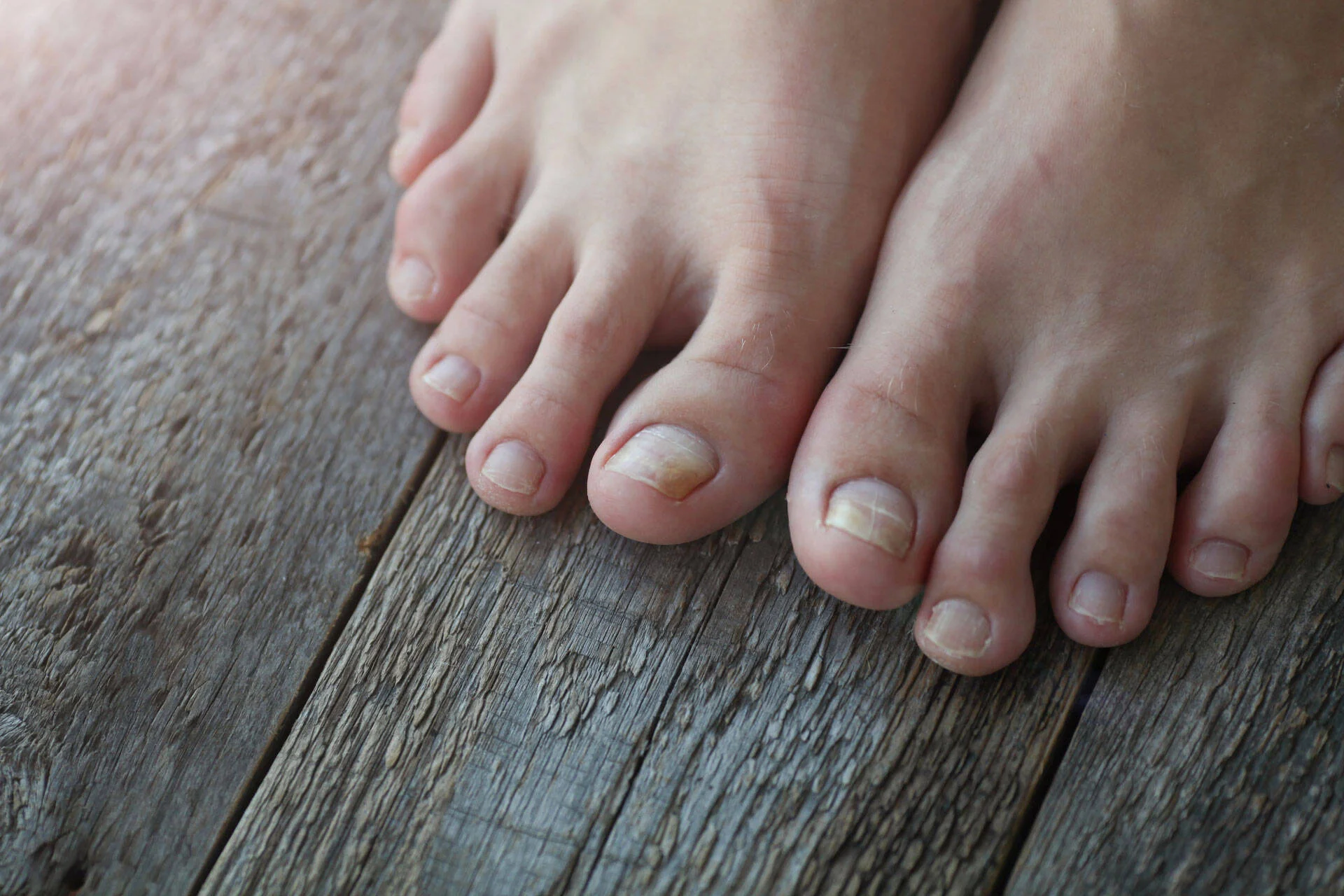
Onychomycosis is a fungal infection of the nail unit. It can infect both fingernails and toenails, but onychomycosis of the toenail is much more prevalent.
Fungal infection is not just a cosmetic concern. While non-life-threatening, if left untreated, it can cause pain, and discomfort, and can lead to severe complications, especially in individuals with compromised immune systems, diabetes, or other chronic health conditions.
Consult with a medical practitioner for diagnosis if there are discolored nails, nail plate thickening, nail separation, and foul-smelling nails.
Treating onychomycosis can be challenging due to the resilience of the fungus and the slow growth rate of nails. Fingernails typically grow out in four to six months. Toenails take longer and usually take 12 to 18 months.
Medicine you apply to the nail
These include creams, ointments, and medicated nail lacquers. If you have a mild infection, a medicine that you apply to your nails may get rid of the infection. However, their efficacy is often limited because they have difficulty penetrating the thickened nail plate to reach the underlying infection.
Probably the most difficult part of this treatment is remembering to use it as often as prescribed. To get the best results, you must apply these medicines exactly as directed.
Possible side effects include redness and swelling, an ingrown toenail, and stinging or burning when you apply the medicine.
Medicine you take
A medical practitioner may prescribe antifungal pills for more aggressive treatment. These have a higher cure rate than the medicine you apply to your nails. The medicine you take also works more quickly than medicine applied to the nails. Antifungal pills, however, can cause side effects.
Combination therapy
Sometimes, nail fungus is hard to clear. Studies show that taking antifungal pills and applying medicine to your nails can be more effective than using either treatment alone.
Nail Removal
In extreme cases, the infected nail may be surgically removed. This method is typically reserved for cases where other treatments have failed, or the infection is particularly severe.
While there are many traditional treatment options, none is ideal. Medicine applied to the nails has a low cure rate. Antifungal pills can cause side effects. Nail removal requires wound care. To improve treatment, researchers are looking for new and better ways to treat nail fungus. One innovative and non-invasive treatment is the use of laser treatments to clear nail fungus.
Fotona’s ClearSteps Onychomycosis Treatment
Fotona’s ClearSteps Onychomycosis Treatment is a revolutionary, patient-friendly method for treating onychomycosis (toenail fungus). It is a simple and effective procedure that uses the power of Nd:YAG laser light to heat evenly throughout the depth of the effected nail and skin tissue, effectively weakening and killing parasitic fungi that have infected the patient’s nails. The treatment is extremely fast and easy to perform and has an unsurpassed treatment success rate compared to traditional methods.
Please note that the individual results will vary depending on the individual and the targeted area. Any details provided here are general and should not replace professional consultation.
What Are You Waiting For...
Make an appointment
Our location
28 Piccadilly Street Kalgoorlie, Western Australia 6430
Opening Hours
Monday - Wednesday 9:00am to 4:00pm
Saturday 9:00am to 3.00pm (fortnightly)
Sunday and Public Holidays - Close
Contact
Phone:
0860178741
0493705636
0498903598
Email: mikhailamikhail@gmail.com