
Frequently Asked Questions: HIFU
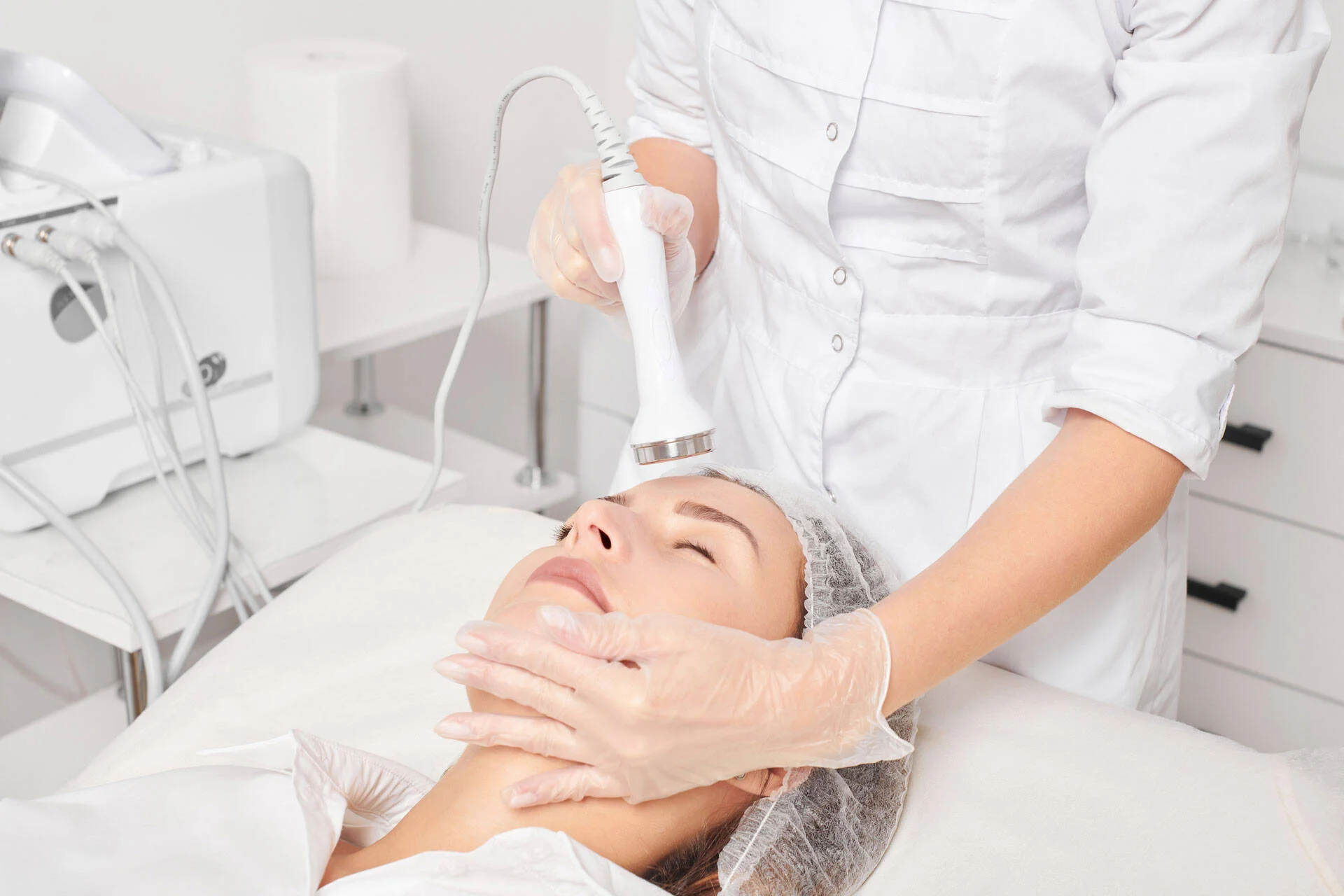
High-Intensity Focused Ultrasound (HIFU) is a popular non-invasive cosmetic procedure used for skin tightening, wrinkle reduction, and body contouring. Whether you are considering HIFU for the first time or seeking to learn more about its benefits and procedure, you may have many questions. In this article, we will answer some frequently asked questions about HIFU, including how it works, its safety, potential results, and what to expect during and after treatment.
How does HIFU work?
It uses ultrasound waves to penetrate the various layers of the skin, the fat layer and the thin muscular layer of the face and effectively target the connective tissues of these layers. The connective tissue is a firm, tough component of the face and neck skin and underlying structures that support these layers and result in firming up and maintaining the contour of the face and neck. With ageing these connective tissues degenerate causing drooping, facial laxity, sagging and the appearance of lines and wrinkles. HIFU tightens loose connective tissue, creating firmness and lifting areas of sagging skin.
How long will my HIFU treatment take?
The duration of a HIFU (High-Intensity Focused Ultrasound) treatment can vary depending on the specific area being treated. Generally, HIFU treatment sessions can take anywhere from 30 minutes to 90 minutes. Smaller areas may require less time, while larger or multiple areas could take longer – for example a brow lift can take as little as 10 minutes while contouring of the belly may take as long as two hours. It’s best to consult with your practitioner for a more precise estimate based on your individual treatment plan.
The ideal candidate is a patient with good skin elasticity in their 40s to 50s who has mild to moderate skin sagging of the neck or eye area. Patients outside this age group or with more compromised skin quality may still benefit, but they often require 2 or 3 treatments and should expect less dramatic outcomes.
For the treatment to fully take effect, it will occur gradually over a period of two to three months. Clinical trials reported results of tighter, firmer, more youthful-looking skin in a 10-month study. These studies documented changes in appearance that were significant in most patients.
When will I notice results from my HIFU treatment?
Surgical facelifts usually lead to an immediate result after recovery but involve incisions, anaesthesia, and injections and can be associated with significant downtime, and complications, sometimes not reversible.
On the other hand HIFU is a non-invasive procedure. Results from HIFU (High-Intensity Focused Ultrasound) treatment can vary. Some patients may notice initial effects, such as tightening and firmer skin, immediately following the treatment. But this effect would not last for long and will wear off after several hours to a few days. However, the primary benefits, such as improved skin lifting and more visible tightening, typically become more apparent over the next two to three months as the body produces new collagen. In some cases, improvements can continue for up to six months after the treatment. It’s important to have realistic expectations and discuss them with your practitioner, as individual results can vary.
How long do the results of HIFU last?
The results of HIFU (High-Intensity Focused Ultrasound) treatment can last for about 6 to 24 months. The longevity of the results can vary depending on individual factors such as age, skin condition, and lifestyle. Over time, the natural aging process will continue, and maintenance treatments may be required to sustain the benefits. It’s advisable to have a follow-up with your practitioner to assess when additional sessions might be beneficial for maintaining the desired outcomes.
How is HIFU procedure performed?
Because HIFU is a non-invasive procedure that doesn’t require injections or surgery, the procedure is uncomplicated and relatively quick depending on how many areas of your face you want to target.
The HIFU procedure typically involves the following steps:
- Consultation: Before the procedure, you’ll have a consultation with a trained practitioner to discuss your goals, assess your skin condition, and determine if HIFU is the right treatment for you.
- Preparation: On the day of the treatment, your skin will be cleansed thoroughly. A topical numbing cream may be applied to enhance comfort, although some practitioners proceed without it due to the non-invasive nature of the procedure.
- Application of Ultrasound Gel: An ultrasound gel is applied to the treatment area. This is necessary to ensure that the ultrasound device moves smoothly over the skin and that the ultrasound waves are delivered effectively.
- HIFU Treatment: The HIFU device is placed against the skin, and ultrasound energy is delivered in focused beams to specific depths. This process may be repeated multiple times over the treatment area. You might experience a sensation of heat or tingling during the procedure, which is generally tolerable.
- Duration: The length of the treatment varies depending on the area being treated but can typically range from 30 to 90 minutes.
- Post-Procedure Care: After the treatment, you can usually resume normal activities immediately, as there is minimal to no downtime. Some temporary redness or swelling might occur but typically resolves quickly.
- Results and Follow-Up: Initial tightening may be noticed immediately following the treatment, with the primary benefits, such as improved skin lifting and firmness, appearing over the next two to three months as collagen remodelling occurs. Depending on your results and goals, your practitioner might schedule additional sessions for maintenance or enhancement.
It’s important to follow any specific post-treatment care instructions provided by your practitioner to optimize the results and ensure the best outcome from your HIFU procedure.
How do I prepare for my HIFU treatment?
Ensure your face is clean and make-up-free. You don’t need any special preparation, but if you have any existing lesions, skin infections, bruising in the treated areas or have a history of cold sores, you will need to call us to assess whether your procedure can still proceed or further assessment is necessary. This may involve deferring or cancelling your treatment temporarily or rarely permanently.
I am pregnant, can I book to have HIFU treatment?
Generally, it is not recommended to receive treatments such as HIFU during pregnancy or breastfeeding. Additionally, some patients are not suitable for HIFU therapy. The treatment should be avoided if:
- You have aesthetic threads, implants or recent dermal fillers in the treatment area.
- You have open wounds or lesions on the treatment area.
- You have cystic acne.
- You have a pacemaker or electronic device implants in the treatment area.
If you have a history of cold sores, preventative oral antiviral tablets are recommended before and after treatment.
Our medical practitioners will walk you through any contraindications or side-effects that might affect you. Following pre-treatment care guidelines will help optimise your results.
Is HIFU painful?
HIFU can cause some discomfort, which varies depending on individual pain tolerance and the specific area being treated. During the procedure, patients often report feeling a sensation of heat or tiny pinpricks beneath the skin as the ultrasound energy is delivered. Some claim it feels similar to laser hair removal.
This sensation is typically manageable, and many patients find it to be tolerable.
To enhance comfort, we do apply a topical numbing cream before the treatment. It’s important to discuss any concerns about pain or discomfort with us beforehand, as we can adjust the treatment settings or take measures to help make the experience as comfortable as possible for you. Overall, while there might be some level of discomfort, it is generally well tolerated.
HIFU aftercare?
Our team will advise you on the best aftercare during your appointment. However, we recommend the following:
- You are encouraged to avoid direct sunlight to the treated area as the affected area can be sensitive to UV rays.
- Avoiding alcohol is also recommended because alcohol lowers blood pressure, minimising much-needed blood flow to the treated areas. Additionally, alcohol puts an extra load on your liver, which is needed to break down the inactivated fat. Drink a lot more water instead.
- Avoid hot water on your face, as your skin can be quite sensitive for a while, even if it looks fine.
- Don’t scratch the affected area even if it has become irritated. HIFU is considered very safe if performed by a trained and qualified professional.
- Avoid saunas, steam baths and exercise for 24 hours after treatment.
- Apply broad-spectrum sunscreen for a week after treatment.
Some side effects may include:
- Slight redness or swelling
- Light tingling sensation of the treated area
- Treated area may appear flushed/red
- Temporary numbness or bruising (rarely)
HIFU therapy is usually well tolerated and you can resume your normal activities immediately after the treatment.
A small amount of mineral make up is okay to apply.
How often can I have HIFU treatments?
Collagen production can take up to 12 weeks. Results can vary depending on how fast your body produces the protein and how much fat reduction is needed.
Typically, most individuals require only one HIFU treatment session to achieve desired results. However, the number of sessions needed can vary depending on individual factors such as age, degree of skin laxity, personal goals, and how the skin responds to the treatment.
Initial Treatment
One session is often sufficient to stimulate collagen production and achieve noticeable lifting and tightening. People with mild to moderate skin laxity will generally see results in a shorter period.
Maintenance
Some people may opt for maintenance treatments every 12-18 months to uphold and enhance the results, particularly as the natural aging process continues. Those with advanced skin sagging may need more than two sessions to get the desired results.
It’s important to have a consultation with our trained practitioners, who can assess your specific needs and recommend the most appropriate treatment plan for you.
Are HIFU treatments safe?
Yes, HIFU treatments are generally considered safe when performed by a trained and qualified practitioner. The technology has been used in medical and aesthetic applications for several years and is designed to focus ultrasound energy precisely, targeting specific layers of tissue beneath the skin without affecting the surrounding areas.
Some key points regarding the safety of HIFU treatments include:
- Non-invasive: HIFU is a non-invasive procedure, meaning it doesn’t involve surgery, cutting, or downtime, which reduces the risk compared to invasive procedures.
- FDA-Cleared: In many countries, including the United States, certain HIFU devices have been cleared by regulatory bodies like the FDA for specific uses, indicating they meet safety and efficacy standards.
- Minimal Side Effects: Most patients experience only mild and temporary side effects, such as slight redness, swelling, or tingling, which typically resolve quickly.
- Controlled Technology: The ultrasound energy used in HIFU is delivered in a controlled manner to reach precise depths, stimulating collagen without damaging the surface of the skin.
However, as with any medical procedure, there are potential risks and considerations. Complications are rare. Some side effects may include:
- Slight redness or swelling
- Light tingling sensation of the treated area
- Treated area may appear flushed/red
- Temporary numbness or bruising (rarely)
These side effects usually subside in a few hours to a few days. If any side effect persists more than 5 days you should contact us immediately to assess whether medical treatment is needed.
To ensure safety, it’s crucial to choose a qualified practitioner who has experience with HIFU and can tailor the treatment to your individual needs. It’s also important to have a thorough consultation to discuss your medical history and any concerns you may have prior to undergoing treatment.
As we are a medical practice we are able to fulfil your cosmetic needs with a high level of expertise and also be able to handle complications that may rarely arise without the need of referral.
Can HIFU be used for body contouring?
Yes, HIFU can be used for body contouring in addition to its applications for facial skin tightening and rejuvenation. For body contouring, HIFU technology targets and destroys fat cells in specific areas of the body, leading to a reduction in fat and improvement in body shape over time. Common areas for HIFU body contouring include the arms, abdomen, thighs, buttocks, love handles, inner knees, and flanks.
Here’s how it works:
Targeting Fat Layers
HIFU delivers focused ultrasound energy to the targeted fat layers beneath the skin. By heating the fat cells to temperatures between 65 to 75 degrees Celsius the fat cells are instantly destroyed without harming the surrounding tissues.
Natural Elimination
The destroyed fat cells are then naturally processed and eliminated by the body’s lymphatic system over weeks or months.
Skin Tightening
In addition to reducing fat, by adjusting the depth of penetration, HIFU can also stimulate collagen production, potentially leading to improved skin tightness in the treated areas.
While HIFU can be effective for contouring and reducing small pockets of fat, it’s important to note that it is not a weight-loss treatment or as extensive as surgical procedures like liposuction.
Results can vary based on the individual and the amount of fat present, so a consultation with our qualified practitioners can help determine if HIFU is appropriate for your body contouring goals.
Is HIFU suitable for all skin types?
Yes, HIFU is generally considered suitable for all skin types. Unlike some laser treatments, which can pose a risk of pigmentation changes in individuals with darker skin tones, HIFU works by delivering focused ultrasound energy below the surface of the skin. This means it doesn’t affect the outer layer, minimizing the risk of adverse pigmentation changes.
However, there are some considerations to keep in mind:
Skin Laxity
HIFU is most effective for individuals with mild to moderate sagging. It may not be as beneficial for those with severe skin laxity.
Expectations
Candidates should have realistic expectations about the results, as HIFU provides gradual improvements rather than dramatic or instantaneous changes.
Medical Conditions
Individuals with certain medical conditions or implanted medical devices may not be suitable candidates. It’s essential to disclose your medical history to ensure HIFU is safe for you.
A consultation with our qualified practitioners will help ensure that the treatment is appropriate for your specific skin type and condition.
Can I combine HIFU with other aesthetic treatments?
Yes, you can often combine HIFU with other aesthetic treatments to enhance overall results, as long as the treatments are spaced appropriately and recommended by our qualified practitioners. Common combinations include:
Laser Treatments: Combining laser treatments with HIFU can help improve skin texture and tone while HIFU focuses on lifting and tightening.
Radiofrequency treatment: this is delivered in non-fractionated or fractionated means. This in fact complements HIFU treatment by augmenting its effect as well as addressing surface issues if present.
Microneedling or RF Microneedling: These can be combined with HIFU to further stimulate collagen production and improve skin texture.
Chemical Peels: Can be used to enhance skin tone and texture in conjunction with the lifting effects of HIFU.
It is crucial to schedule these treatments correctly to avoid overwhelming the skin. Our practitioners can provide a personalized treatment plan and timeline to ensure that combining treatments is safe and effective, maximizing the benefits while minimizing risks.
How much downtime do I need after HIFU treatment?
One of the benefits of HIFU treatment is that it requires minimal to no downtime. Most patients can resume their normal activities immediately after their session.
After HIFU, you might experience some mild and temporary side effects, such as slight redness, swelling, or tingling sensations, but these typically resolve quickly. There is usually no need for a recovery period, making HIFU a convenient option for those with busy schedules.
It’s always a good idea to follow any specific post-treatment care instructions provided by our practitioners to ensure the best results and to minimize any potential side effects.
What can HIFU do for me and what parts of my body can I use it for?
There are two main actions that HIFU can do:
Rejuvenating the skin by increasing its collagen and elastin content, this will help improve several concerns such as brow droop, upper eyelid hooding, lower eyelid bagging, jowls and neck sagging, double chin and overall improvement in lines and wrinkles.
Destroying fat cells in areas where it is not cosmetically acceptable. This is helpful when localised fat areas are not desirable, and thereby assists in the overall body contouring by correcting irregularities.
Who will benefit most from HIFU treatment?
HIFU (High-Intensity Focused Ultrasound) treatment is most beneficial for individuals who are experiencing mild to moderate skin laxity and are looking for non-surgical options to tighten and rejuvenate their skin.
Here are specific characteristics of those who might benefit most from HIFU:
- Mild to Moderate Skin Sagging: Individuals who notice early signs of sagging, particularly around the face, neck, and décolletage, and want to improve skin firmness without undergoing surgery. Typically those are women with an average age of 40 to 50 years.
- Fine Lines and Wrinkles: Those looking to reduce the appearance of fine lines and wrinkles through enhanced collagen production. Severe lines and wrinkles will respond to a much lesser extent and may require several treatment sessions before an appreciable result is clinically perceived.
- Preventive Care: Younger individuals who wish to maintain skin elasticity and delay the signs of aging.
- Desire for Non-Invasive Treatment: People who prefer non-surgical options for lifting and tightening the skin, with minimal downtime and risk.
- Realistic Expectations: Candidates should have a realistic understanding that while HIFU can provide tightening and lifting, it does not deliver results as dramatic as a surgical facelift.
- Good Overall Health: Ideal candidates are typically in good health and do not have severe skin laxity or specific medical conditions that contraindicate the use of ultrasound technology.
Consulting with our skilled practitioners is essential to determine if you are a good candidate for HIFU based on your skin condition, aesthetic goals, and overall health profile.
How much will a treatment for HIFU cost me?
The cost of a HIFU treatment can vary widely depending on the specific areas being treated and on the status of the skin and/or the fat required to be removed, prior to treatment. Additionally, age will also affect the requirements of treatment and its frequency. On average, HIFU treatments can range from approximately AUD 600.00 to AUD 2,500.00+ per session.
Face or Neck: Treatment for the face and neck typically falls on the lower end of the scale. In most situations a face-only treatment would cost on average AUD 600.00 while doing the face and neck combined would cost about AUD 900.00+.
Body Areas: Treating larger areas of the body may cost more due to increased complexity and time required. Typically this would also involve body contouring including localised fat reductions, and depending on the area treated this may cost up to AUD 2,500+ per session.
Please note that the individual results will vary depending on the individual and the targeted area. Any details provided here are general and should not replace professional consultation.