
Platelet Rich Plasma (PRP) FAQ
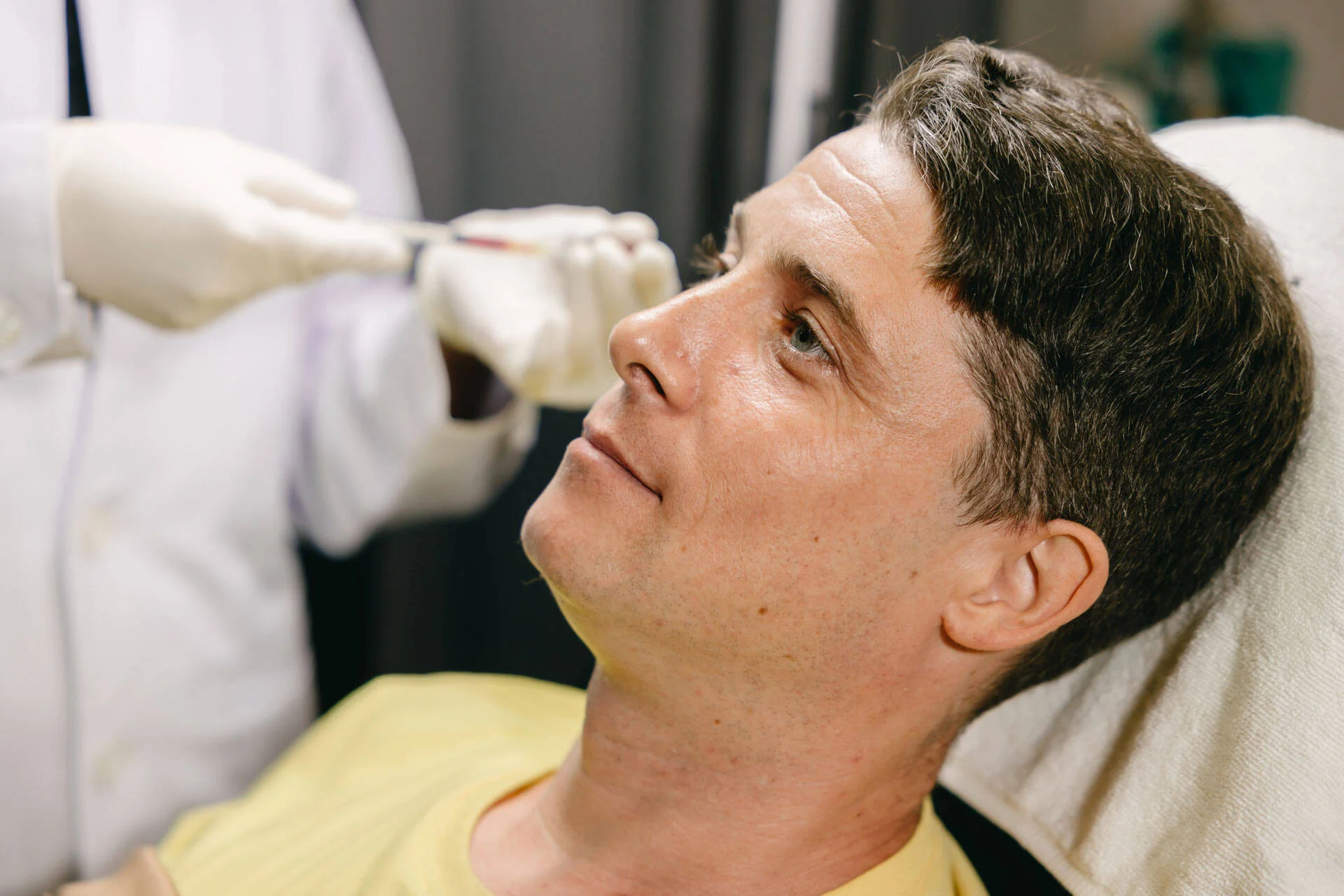
Platelet-Rich Plasma (PRP) therapy has a wide range of applications in aesthetics, dermatology, and regenerative medicine. From promoting hair growth to rejuvenating the skin and aiding in tissue repair, PRP harnesses the body’s natural healing abilities to deliver remarkable results. This article provides answers to the most common questions about PRP, including how it works, its safety, benefits, and what to expect during the procedure.
Can you give me an overview of Platelet Rich Plasma (PRP)?
Before the PRP injection process, you’ll have an initial consultation with our team to discuss your medical history, current health condition, and the specific area you want to treat. The provider will explain the benefits and potential risks of PRP therapy to ensure you understand the preparation for PRP injection comprehensively.
The procedure begins with drawing a small amount of your blood, typically from your arm, like a routine blood test. The blood is then placed in a centrifuge, which separates its components, resulting in a concentrated sample of platelet-rich plasma prepared for injection.
While your blood is being processed, the treatment area is cleaned and prepped. Once the PRP is ready, it is injected into the targeted area using a fine needle, with the number and placement of injections depending on the treatment purpose.
After the procedure, you may experience mild swelling, redness, or discomfort at the injection site during PRP treatment recovery time, which typically subsides within a few days. Your healthcare provider will give specific PRP injections recovery care instructions, and improvements may become noticeable within a few weeks, with continued progress over the following months.
Depending on your condition and goals, multiple PRP sessions may be recommended, with regular follow-up appointments to monitor progress and determine if additional treatments are necessary.
Due to its high concentration of growth factors and cytokines, PRP has been found to have therapeutic effects on various conditions such as:
Aesthetics: In addition to skin rejuvenation, PRP is used as a natural alternative to traditional fillers for cosmetic enhancement purposes. By injecting PRP into areas of volume loss or wrinkles, it can stimulate collagen production and improve skin tone, texture, and elasticity.
Dental and Oral Health: Platelet-rich plasma enhances dental and oral health by accelerating healing and promoting tissue regeneration. In cases of gum disease, PRP reduces inflammation and supports the regeneration of healthy gum tissue and bone, thereby stabilizing teeth and improving oral health. Additionally, PRP speeds up recovery after dental procedures such as extractions and implants, reducing pain and swelling while ensuring better integration and stability of dental implants, leading to higher success rates and quicker patient recovery. We do not however provide this service.
Hair re-growth treatment: PRP is widely used in cosmetic and dermatological procedures to improve the appearance of skin, hair, and nails. Injecting PRP into the scalp stimulates hair follicles, promoting new hair growth and restoring thinning or receding hairlines.
Musculoskeletal problems: One of the most common applications of PRP therapy is in treating musculoskeletal conditions such as tendonitis, ligament injuries, arthritis, and other joint-related issues. By delivering a concentrated dose of growth factors and cytokines to the injured area, PRP promotes healing and tissue regeneration, reducing pain and inflammation, and improving mobility.
Overall, the regenerative properties of platelet-rich plasma make it a versatile treatment option with numerous applications in medical and aesthetic fields.
How Does Platelet-Rich Plasma (PRP) Work?
Platelet-Rich Plasma (PRP) therapy uses a patient’s own blood to promote healing and tissue regeneration. The key to PRP’s effectiveness lies in the high concentration of platelets and growth factors, which play a crucial role in the body’s healing processes. Here’s how PRP works.
Platelet Concentration
- Platelets are a component of your blood, alongside red and white blood cells and plasma. They are essential for blood clotting and contain growth factors and cytokines, which stimulate tissue repair and regeneration.
- In PRP, a small sample of your blood is drawn and placed in a centrifuge to separate and concentrate the platelets. The result is a plasma-rich solution with 5 to 10 times more platelets than normal blood.
Injection of Growth Factors
The concentrated PRP is then injected into the targeted area (skin, scalp, joints, etc.). Once injected, the platelets release growth factors that:
- Stimulate collagen production, which improves skin texture, reduces wrinkles, and promotes tissue repair.
- Enhance blood flow and nutrient delivery to tissues.
- Stimulate hair follicles for hair growth.
- Promote healing in injured or damaged tissues, such as tendons, ligaments, and joints.
Cellular Regeneration
- Growth factors in PRP activate and attract stem cells and other healing cells to the area. This enhances cellular regeneration, speeding up the repair of damaged tissue and promoting the production of new cells.
- In the skin, this results in improved elasticity, tone, and texture. In joints, it promotes healing of tissues and reduces inflammation. In the scalp, it stimulates dormant hair follicles, leading to hair regrowth.
Overall, PRP works by harnessing the body’s natural healing mechanisms to repair and rejuvenate tissues in a variety of applications, including aesthetics, hair restoration, and injury recovery.
How Long Will My PRP Treatment Take?
A typical Platelet-Rich Plasma (PRP) treatment takes about 45 to 60 minutes. Here’s a breakdown of the time involved:
Blood Draw: The process begins with drawing a small amount of blood, which takes just a few minutes.
Centrifugation: The blood is placed in a centrifuge to separate the platelet-rich plasma (PRP). This step usually takes 10 to 15 minutes.
PRP Injection: Once the PRP is prepared, it is injected into the target area(s), which may take 10 to 30 minutes depending on the size of the treatment area and the number of injections required.
Post-Procedure Care: After the injections, we may apply a soothing cream or ice to minimize any discomfort. This step takes a few more minutes, but no significant recovery time is needed.
The entire procedure, from start to finish, is generally completed within an hour.
When Will I Notice Results From My PRP Treatment?
Results from a Platelet-Rich Plasma (PRP) treatment typically start to become noticeable within 2 to 3 weeks after the procedure. However, full results may develop gradually over time as the body’s natural healing processes are stimulated.
Breakdown of Timeline:
Initial Results (2-3 weeks): You may begin to see improvements in skin texture, tone, or hair density, depending on the treatment area. For joint treatments, early relief from pain or inflammation may start to occur.
Optimal Results (2-3 months): The most significant improvements are usually visible after 2 to 3 months. This is when collagen production, tissue repair, or hair growth is at its peak.
Long-Term Benefits: Results from PRP can continue to improve for several months following the treatment. The longevity of results varies, often lasting 6 to 12 months or longer.
A series of treatments (typically 3-4 sessions spaced 4-6 weeks apart) may be recommended to achieve the best possible outcomes, especially for skin rejuvenation or hair restoration.
How Long Do the Results of PRP Last?
The results of Platelet-Rich Plasma (PRP) treatments can last anywhere from 6 to 12 months or longer, depending on the area treated, the individual’s natural healing response, and the condition being addressed.
Factors Influencing Duration:
Area Treated: Results for skin rejuvenation or hair restoration typically last around 12 months, though touch-up sessions may be needed to maintain the desired results. For joint or tendon injuries, the benefits may last longer, depending on the severity of the condition.
Number of Sessions: An initial series of 3-4 treatments spaced about 4-6 weeks apart is often recommended to achieve optimal results. Follow-up maintenance treatments can extend the longevity of the effects.
Individual Variation: Factors like age, overall health, lifestyle habits (e.g., smoking, sun exposure), and how well the individual responds to the treatment can influence how long the results last.
Do All Patients Receiving PRP Respond to the Treatment?
No, not all patients who receive Platelet-Rich Plasma (PRP) treatment will respond to it in the same way, and some individuals may not experience significant benefits. Several factors influence whether a person responds well to PRP therapy, including the condition being treated, individual health, and the body’s ability to heal.
Factors that influence PRP treatment response:
1. Severity and Type of Condition
- Mild to moderate conditions (like early-stage hair loss, early signs of aging, or minor joint injuries) tend to respond better to PRP than severe or advanced cases.
- Conditions like advanced osteoarthritis, chronic injuries, or extensive hair loss may not respond as well to PRP, especially if the damage is too significant for regenerative healing.
2. Individual Healing Capacity
- People with strong regenerative capabilities, such as those with good overall health, tend to respond better to PRP.
- Age can play a role, as younger patients often have a more robust healing response, while older patients may have a slower or less effective response.
3. Platelet Quality and Quantity
- Patients with healthy platelet function tend to respond better to PRP. Individuals with low platelet counts or impaired platelet function (due to certain medications or conditions) may not respond as effectively.
- The concentration of platelets in the PRP preparation can also influence outcomes. PRP with insufficient platelet concentration may not deliver optimal results.
4. Underlying Health Conditions
- Patients with chronic conditions such as uncontrolled diabetes, autoimmune disorders, or other systemic diseases may have a weakened response to PRP due to impaired healing mechanisms.
- Smokers and individuals with poor circulation may also have reduced healing responses.
5. Timing of Treatment
- Early intervention tends to result in better outcomes. PRP is often more effective when applied during the early stages of hair loss, skin aging, or injury.
- Chronic conditions that have been present for a long time or have caused significant tissue damage may not respond as well to PRP.
6. Consistency and Frequency of Treatment
- PRP treatments often require multiple sessions for optimal results. A single PRP treatment may not produce noticeable changes, but a series of treatments (typically 3-4 sessions spaced several weeks apart) increases the chances of success.
- Follow-up and maintenance sessions may also be necessary to sustain results over time.
7. Quality of the PRP Procedure
- The effectiveness of PRP therapy can also depend on the technique and expertise of the provider. Proper preparation and application of PRP are crucial for maximizing results.
- The method of delivery (e.g., injection technique) and the accuracy in targeting the affected areas also impact treatment efficacy.
8. Non-Responders
- Non-responders are individuals who, despite receiving the appropriate number of PRP treatments, do not experience significant improvement.
- This may be due to biological differences in healing response, underlying health issues, or the advanced stage of their condition.
9. Managing Expectations
While PRP can offer excellent results for many people, it is important to manage expectations. PRP may not provide dramatic or immediate results, especially for conditions that are severe or advanced. Each individual’s response to treatment can vary, and some patients may see minimal or no benefit.
10. Maintenance Treatments
Many people opt for maintenance PRP treatments every 6-12 months to prolong the benefits and ensure continued improvement.
How Is the Platelet-Rich Plasma (PRP) Procedure Performed?
The PRP procedure involves several key steps:
Consultation: Before the procedure, a consultation with the provider is necessary to discuss your goals, medical history, and any medications you are taking to ensure you’re a good candidate for PRP treatment.
Blood Draw: A small amount of blood (typically 10-20 milliliters) is drawn from your arm, similar to a routine blood test.
Centrifugation: The blood sample is placed in a centrifuge, which spins it at high speed. This process separates the different components of the blood:
- Red blood cells (at the bottom)
- Platelet-rich plasma (PRP) (top layer)
- Platelet-poor plasma (middle layer)
The PRP, which contains concentrated platelets and growth factors, is extracted for injection.
Preparation of Treatment Area: The treatment area (e.g., scalp, face, joint) is cleaned and, if necessary, numbing cream or local anesthesia may be applied to minimize discomfort during injections.
PRP Injection: The PRP is injected into the targeted areas using a fine needle. Depending on the area and purpose (e.g., hair loss, skin rejuvenation, joint treatment), multiple injections may be administered.
Post-Procedure Care: Once the injections are completed, the provider may apply a soothing serum or ice pack to the treated area to reduce any swelling or redness.
The entire PRP procedure typically takes around 45-60 minutes, including preparation time. For certain applications like skin rejuvenation, PRP is sometimes combined with microneedling to enhance collagen production.
How Do I Prepare for My PRP Treatment?
To ensure the best results and minimize complications, preparing for a Platelet-Rich Plasma (PRP) treatment involves following certain guidelines. Here’s what you can do:
1. Avoid Anti-Inflammatory Medications
- Stop taking NSAIDs (like ibuprofen, aspirin, or naproxen) for about 7 days before the procedure. These medications can interfere with platelet function and reduce the effectiveness of PRP.
- Avoid blood-thinning supplements like fish oil, vitamin E, and garlic pills for at least a week prior to treatment.
2. Stay Hydrated
- Drink plenty of water in the days leading up to the procedure, as proper hydration is important for an efficient blood draw and good plasma quality.
3. Avoid Alcohol and Smoking
- Refrain from alcohol for 24-48 hours before your treatment, as it can dehydrate you and impair healing.
- Stop smoking for at least a week before the procedure, as smoking can reduce the body’s healing capacity and compromise results.
4. Consult With Our Team on Medications
- If you are on blood thinners or other medications, consult with us about whether you need to adjust them before the procedure.
5. Avoid Certain Skincare Treatments
- If you’re getting PRP for skin rejuvenation, avoid harsh skincare treatments (e.g., peels, laser treatments) for 1-2 weeks before the procedure. On the day of the procedure, refrain from any makeups, creams or ointments of any kind.
6. Shampoo and Clean Skin (For Hair PRP)
- If you are undergoing PRP for hair loss, wash your hair on the day of the treatment and avoid applying any products to your scalp afterward.
7. Avoid Sun Exposure
- Limit sun exposure and avoid sunburns in the week leading up to your treatment, especially if you’re treating facial areas. You can continue using your sunscreen as usual up and until the day before the procedure.
8. Dress Comfortably
- Wear comfortable, loose-fitting clothing, especially if PRP will be injected into areas like the joints or scalp.
By following these guidelines, you’ll help maximize the effectiveness of your PRP treatment and reduce any potential risks.
Is PRP Painful?
We think local anaesthetic is cytotoxic, meaning it could harm cells. So, in theory, mixing local anaesthetic with PRP might reduce the positive effects of PRP. So we prefer not to use local anaesthetics when injecting a PRP to maximise its efficacy despite the pain that is normally inflicted during the injection process.
Pain Experience During PRP:
Blood Draw: The initial blood draw feels similar to any standard blood test and typically involves mild discomfort.
PRP Injections: The actual injection process can cause some stinging and a variable degree of pain, particularly in sensitive areas like the face, scalp, or joints. The sensation is often described as a sharp pinch or pressure when the needle enters the skin or scalp. However, most people find it tolerable.
Use of Numbing Agents: We do not use numbing creams or local anesthesia to the area being treated to maximise the efficacy of the treatment. This applies to the treatment of the musculoskeletal nature as well as skin for the purpose of skin rejuvenation. However when treating the scalp for hair regrowth, we often provide what is called a field or nerve block where local anaesthetics are injected further away from the treated area but this creates a widely numbed scalp area which can be treated with PRP injections with minimal to no pain. By using this technique there is no impact on the efficacy of treatment.
After the Procedure: You may experience mild soreness, swelling, or bruising in the treated area after the procedure, but this typically subsides within a few days.
Overall, PRP is usually well-tolerated, and any discomfort is short-lived.
PRP Aftercare?
Proper aftercare following Platelet-Rich Plasma (PRP) treatment is essential to ensure optimal healing and results. Here are general aftercare instructions based on the area treated:
1. First 24 Hours
- Avoid Touching: Do not touch, rub, or wash the treated area for the first 24 hours to allow the PRP to be fully absorbed.
- No Skincare Products or Makeup: Avoid applying makeup, creams, lotions, or any topical products to the treated area during this time.
- Avoid Sun Exposure: Keep the treated area out of direct sunlight and avoid tanning beds. Sun exposure can increase the risk of hyperpigmentation.
- Rest the Treated Area: Minimize movement and strain on the treated area, especially if it’s a joint or tendon.
2. 24 to 72 Hours After Treatment
- Mild Cleansing: After the first 24 hours, you can gently cleanse the treated area with a mild, non-abrasive cleanser.
- Avoid Hot Showers or Saunas: Stay away from hot baths, steam rooms, saunas, or intense workouts for 48-72 hours, as excessive heat can worsen swelling or bruising.
- No Alcohol or Smoking: Avoid alcohol and smoking for at least 48 hours, as they can interfere with healing and blood flow.
- Limit Exercise: Avoid strenuous physical activity for about 2-3 days, especially if you had PRP injected into your joints or muscles.
- Cold Compress (if needed): Apply a cold compress or ice pack if you experience swelling or discomfort, but avoid direct ice application on the skin. Do this for 15-20 minutes at a time.
3. One Week After Treatment
- Skincare: If you’ve had PRP for skin rejuvenation, you can gradually reintroduce your usual skincare routine after 3-4 days. However, avoid exfoliating products, retinol, and harsh acids for at least a week.
- Hair Washing: If you’ve had PRP for hair restoration, wait 48 hours before washing your hair. Avoid harsh shampoos and opt for mild, sulfate-free products.
- No Anti-Inflammatory Medications: Continue avoiding NSAIDs (like ibuprofen or aspirin) for 14 days, as they can interfere with the body’s natural healing response stimulated by PRP. Paracetamol can be used instead. If the pain is severe and increasingly intolerable, please let us know to provide you with alternative pain killers that will not interfere with the efficacy of treatment provided.
4. Follow-Up Care
- Hydrate: Drink plenty of water to keep your skin and tissues hydrated, promoting healing and optimal results.
- Avoid Facials or Other Treatments: If you’ve had PRP on your face or scalp, avoid facials, chemical peels, or other cosmetic treatments for about 1-2 weeks after the procedure.
- Sun Protection: Continue to use a broad-spectrum sunscreen with SPF 30 or higher to protect the treated area from UV damage, especially for skin treatments.
5. Monitor Healing
- Expect some mild redness, swelling, or bruising at the injection site, which usually subsides within a few days. If you notice any prolonged discomfort, increased pain, or signs of infection (e.g., redness, warmth, pus), contact your provider immediately.
Following these aftercare steps can help ensure smooth healing and maximize the benefits of your PRP treatment.
How Often Can I Have PRP Treatments?
You can typically have Platelet-Rich Plasma (PRP) treatments every 4 to 6 weeks, depending on the specific treatment area and your desired results. Here’s a general guide.
Skin Rejuvenation (e.g., Face, Neck)
- Initial Series: Most providers recommend a series of 3 to 4 sessions, spaced 4 to 6 weeks apart for optimal results.
- Maintenance: After the initial series, maintenance treatments can be done every 6 to 12 months to sustain the results.
Hair Restoration
- Initial Series: PRP for hair growth usually involves 3 to 4 sessions, spaced 4 to 6 weeks apart to stimulate dormant hair follicles.
- Maintenance: Maintenance treatments every 6 to 12 months help preserve hair density and prevent further thinning.
Joint or Tendon Injuries
- Initial Treatment: PRP for injury recovery is often done as a single treatment or a series of 2 to 3 injections, spaced 4 to 6 weeks apart.
- Maintenance: Some patients may benefit from follow-up treatments if pain or injury symptoms recur, but they are typically done annually or as needed.
Key Factors Affecting Frequency
- Condition Being Treated: Certain areas, like hair restoration, may require more frequent treatments compared to joint or skin treatments.
- Age and Skin Condition: Older individuals or those with more advanced skin or hair conditions may need more frequent sessions.
It’s important to follow the treatment plan recommended by our team, as they will tailor it based on your specific goals and the area being treated.
Are PRP Treatments Safe?
Yes, Platelet-Rich Plasma (PRP) treatments are generally considered safe for most people because the treatment uses your own blood, reducing the risk of allergic reactions or infections. However, like any medical procedure, PRP has some risks and potential side effects.
Why PRP Is Safe
- Autologous Treatment: PRP is derived from your own blood, which minimizes the risk of allergic reactions, infections, or other adverse responses commonly associated with foreign substances or synthetic treatments.
- Minimally Invasive: PRP is a non-surgical procedure that involves a simple blood draw and injections, making it less invasive compared to surgical options.
- No Downtime: PRP has minimal downtime, allowing most people to return to their normal activities shortly after treatment.
Possible Side Effects
Though rare and typically mild, some common side effects include:
- Mild pain or discomfort: During or after the injection, especially in sensitive areas like the face or scalp.
- Swelling and redness: Temporary swelling, bruising, or redness at the injection site, usually resolving within a few days.
- Bruising: Minor bruising may occur where the blood was drawn or where PRP was injected.
Rare Risks
- Infection: Though very rare, any injection procedure carries a slight risk of infection at the injection site.
- Blood Clotting Issues: PRP may not be suitable for individuals with blood clotting disorders or those on blood thinners.
Who Should Avoid PRP?
While PRP is safe for most people, there are some contraindications:
- Blood disorders: People with certain blood or platelet disorders, such as thrombocytopenia (low platelet count), should avoid PRP.
- Active infections: If you have an active infection at the treatment site, PRP should be delayed.
- Pregnancy or breastfeeding: Although there are no known risks, PRP is generally avoided during pregnancy or breastfeeding out of precaution.
Consultation With a Professional
It’s important to consult with a healthcare provider before undergoing PRP to ensure that you’re a good candidate and to discuss any underlying conditions or medications that might affect the treatment’s safety.
In general, PRP is a safe and well-tolerated procedure with minimal risks, especially when performed by our qualified practitioners.
Is PRP Suitable for All Skin Types?
Yes, Platelet-Rich Plasma (PRP) is generally suitable for all skin types. Since PRP uses your own blood, there’s minimal risk of allergic reactions, making it a safe option regardless of skin tone or type.
Why PRP Is Suitable for All Skin Types
Natural and Autologous: PRP is derived from your own blood, which reduces the risk of adverse reactions that might occur with synthetic substances or chemicals.
Non-Ablative: Unlike laser treatments that may not be suitable for darker skin types due to the risk of hyperpigmentation, PRP is non-ablative and does not affect the skin’s surface, making it safe for all skin tones.
Versatile: PRP can help with various skin concerns, including improving texture, reducing fine lines, and enhancing overall skin health, regardless of skin type.
Special Considerations for Different Skin Types
Darker Skin Tones: PRP is safe for darker skin and poses no risk of post-inflammatory hyperpigmentation, a common concern with some other treatments like lasers or chemical peels.
Sensitive Skin: For those with sensitive skin, PRP is a good option because it doesn’t involve harsh chemicals or treatments that could trigger irritation.
Aging Skin: PRP can be particularly beneficial for mature skin, as it stimulates collagen production and improves skin elasticity.
Can I Combine PRP With Other Aesthetic Treatments?
Yes, Platelet-Rich Plasma (PRP) can be safely combined with many other aesthetic treatments to enhance and prolong results. Combining treatments is a common practice, especially in cosmetic dermatology and anti-aging therapy, as PRP can amplify the benefits of other procedures.
Common Treatments Combined with PRP:
Microneedling
- PRP is often used alongside microneedling to enhance skin rejuvenation. Microneedling creates tiny micro-injuries in the skin, which PRP can penetrate more effectively, boosting collagen production and speeding up healing.
- This combination is popular for improving skin texture, reducing scars, fine lines, and hyperpigmentation.
Laser Treatments
- PRP can be used in combination with laser resurfacing treatments (e.g., fractional lasers or intense pulsed light) to accelerate healing and reduce post-treatment downtime.
- It helps promote faster recovery by reducing inflammation and boosting collagen synthesis after the laser treatment.
Hair Restoration Treatments
- PRP is commonly combined with other hair restoration treatments such as minoxidil or hair transplant surgery and laser hair treatments to enhance hair regrowth and improve the health of hair follicles.
Chemical Peels
- After a chemical peel, PRP can be applied to the treated skin to aid in faster recovery and improve the final results by promoting cellular repair and collagen production.
Benefits of Combining PRP with Other Treatments
Enhanced Results: PRP can boost the effectiveness of other treatments by accelerating healing, promoting collagen production, and improving skin texture.
Reduced Downtime: When combined with procedures like microneedling or laser treatments, PRP helps speed up recovery time, reducing redness, swelling, and inflammation.
Improved Skin Quality: PRP works at a cellular level, improving skin health over time, while other treatments offer immediate or short-term effects.
Timing Considerations: In most cases, PRP can be done during the same session as other treatments like microneedling or fillers. However, certain treatments, like laser resurfacing, may require waiting for the skin to heal slightly before applying PRP to avoid irritation.
How Much Downtime Is Needed After PRP Treatment?
Platelet-Rich Plasma (PRP) treatments typically involve minimal downtime, and most people can return to normal activities within a day or two. However, the exact amount of downtime can vary depending on the area treated and the individual’s skin sensitivity.
Skin Rejuvenation (Face, Neck, etc.)
- Mild Redness and Swelling: You may experience mild redness, swelling, or slight bruising at the injection sites for 1-3 days. This can resemble mild sunburn.
- Resuming Normal Activities: Most people can return to their regular activities, including work, the next day. However, some may prefer to take a day off, especially if the face is being treated.
- Makeup: Avoid applying makeup for 24 hours to allow the skin to heal.
Hair Restoration
- Scalp Sensitivity: Mild swelling, tenderness, or redness may occur on the scalp for 24-48 hours.
- Resuming Normal Activities: Most people can resume daily activities within a day, though it’s advised to avoid washing the hair or applying hair products for 48 hours.
Joint or Tendon Injections
- Mild Discomfort: You may experience mild soreness or swelling in the treated joint or tendon for a few days.
- Resuming Normal Activities: Many patients can resume normal activities within a day or two, but it’s important to avoid strenuous exercise or physical activity in the treated area for a few days to a week.
Key Aftercare Tips to Minimize Downtime
- Avoid Exercise: Refrain from intense physical activity, heavy lifting, or strenuous exercise for 24-48 hours after treatment.
- Sun Exposure: Avoid direct sun exposure for a few days, especially if PRP was used for skin rejuvenation.
- Hydration: Stay well-hydrated to promote healing.
- Avoid Anti-Inflammatories: Continue to avoid anti-inflammatory medications (e.g., ibuprofen) for about two weeks, as they may interfere with the healing process.
Overall Recovery: Most people experience minimal discomfort and downtime, with recovery depending on the specific area treated. You can expect to feel normal and return to regular routines quickly, usually within 1-3 days.
What Can PRP Do For Me, and What Parts of My Body Can I Use It For?
Platelet-Rich Plasma (PRP) treatments have a wide range of applications that harness the body’s natural healing processes to improve skin, hair, and tissues. PRP stimulates collagen production, cell regeneration, and tissue repair, making it an effective option for various cosmetic and medical purposes.
Benefits of PRP:
Skin Rejuvenation
- Improves skin texture and tone: Reduces fine lines, wrinkles, and uneven skin texture.
- Reduces scars: PRP is effective in treating acne scars, surgical scars, and stretch marks.
- Stimulates collagen production: Promotes tighter, firmer, and more youthful-looking skin.
- Minimizes pores: Helps reduce pore size for smoother skin.
Hair Restoration
- Stimulates hair growth: PRP can help regrow hair in cases of thinning or early-stage hair loss (androgenic alopecia).
- Strengthens hair follicles: Improves the density and strength of existing hair.
- Reduces hair shedding: Helps to decrease hair loss over time.
Joint and Tendon Repair
- Reduces inflammation: PRP is used to treat conditions like arthritis, tendonitis, and other joint issues.
- Accelerates healing: Can help speed up recovery from injuries to tendons, ligaments, and muscles.
- Pain relief: Provides long-term pain relief by promoting tissue repair in injured or inflamed joints.
Scar and Stretch Mark Reduction
- PRP improves the appearance of both new and old scars, as well as stretch marks by stimulating tissue repair.
Under-Eye Rejuvenation
- Reduces the appearance of dark circles, puffiness, and fine lines around the eyes, improving the overall appearance of the under-eye area.
What Parts of My Body Can I Use PRP For?
Face: PRP is commonly used for facial rejuvenation, often referred to as the “vampire facial”. It improves skin texture, reduces fine lines and wrinkles, and boosts overall radiance. Areas include: forehead, cheeks, under-eyes, smile lines, and neck.
Scalp: PRP is frequently used to promote hair growth and treat thinning hair or early-stage hair loss. It can be applied to the entire scalp or specific areas affected by hair thinning.
Neck and Décolletage: PRP helps tighten and rejuvenate the skin on the neck and chest, reducing wrinkles and improving skin texture.
Hands: PRP is effective in rejuvenating the skin on the hands, improving volume, and reducing the appearance of wrinkles and veins.
Joints and Tendons: PRP can be injected into injured joints, tendons, or muscles to treat conditions like arthritis, tendonitis, and sports injuries, promoting tissue repair and reducing pain.
Stretch Marks and Scars: PRP can be applied to areas with stretch marks (such as the abdomen, thighs, or arms) or scars (surgical or acne scars) to promote healing and improve skin appearance.
How Much Does a PRP Treatment Cost?
The cost of a Platelet-Rich Plasma (PRP) treatment can vary depending on several factors, such as the treatment area, the provider’s experience, and location.
Average Cost by Treatment Area:
Skin Rejuvenation (Face, Neck, etc.): Typically ranges from AUD 500 to 1,500 per session. The exact price depends on the area treated and whether PRP is combined with other treatments like microneedling or lasers.
Hair Restoration: Costs range from AUD 500 to 800 per session, depending on the extent of hair loss and the size of the area being treated and if any other treatment modalities are added such as laser. A full treatment plan usually requires 3-4 sessions spaced a few weeks apart.
Joint and Tendon Treatments: PRP for joint or tendon injuries typically costs AUD 500 to 600 per injection. Multiple sessions may be required, depending on the severity of the injury or condition.
Is PRP Injection Covered by Medical Insurance or Medicare?
PRP therapy is not typically covered by Medical insurance nor by Medicare for cosmetic or aesthetic purposes. In Australia even if treatment is deemed medically necessary, such as post-surgery recovery or treating a specific injury, insurance or Medicare do not cover the costs. However, you may ask your insurance company in this regard and see if they would be willing to contribute to the cost.
Are There Any Serious Side Effects or Complications That May Occur Following PRP?
While Platelet-Rich Plasma (PRP) treatments are generally safe, there are some potential side effects and complications that, although rare, can occur. Most side effects are mild and temporary, but it’s important to be aware of the risks.
Common Side Effects
Mild Pain or Discomfort: You may experience mild discomfort or pain at the injection site, especially in sensitive areas like the face or scalp. This typically resolves within a day or two.
Swelling and Redness: Temporary swelling, redness, and bruising at the injection site are common. These effects usually subside within a few days.
Bruising: Minor bruising may occur, particularly where the blood was drawn or injected. This can last for a few days to a week.
Tenderness: You may feel tenderness around the treated area, especially in joints or the scalp, but this usually resolves quickly.
Rare but Possible Complications
Infection: As with any injection, there is a small risk of infection at the injection site. To minimize this risk, we ensure that the procedure is performed in a clean and often sterile environment.
Allergic Reaction: Though extremely rare (since PRP uses your own blood), allergic reactions to other materials used during the procedure (like the local anaesthetic) can occur.
Nerve Damage or Tissue Injury: In rare cases, improper injection techniques could lead to nerve damage, tissue injury, or scarring. This highlights the importance of choosing an experienced provider.
Blood Clotting Issues: PRP may not be suitable for individuals with certain blood disorders, clotting issues, or those on blood thinners. PRP could worsen existing blood clotting problems if not properly managed.
Prolonged Pain or Swelling: Some individuals may experience prolonged swelling, discomfort, or pain, especially if PRP is injected into joints or tendons. This can last for several weeks in rare cases.
Skin Discoloration (Hyperpigmentation): In rare cases, hyperpigmentation or changes in skin colour could occur, particularly in individuals with darker skin or those prone to hyperpigmentation.
Who Should Avoid PRP
Platelet-Rich Plasma (PRP) therapy is generally safe, but there are certain relative and absolute contraindications to consider before undergoing the treatment. These contraindications help identify individuals who may be at risk of adverse effects or complications from PRP therapy.
Absolute Contraindications
Absolute contraindications are conditions where PRP should not be performed under any circumstances.
- Platelet Dysfunction Syndromes: Individuals with disorders affecting platelet function, such as thrombocytopenia (low platelet count), should avoid PRP, as their platelets may not function properly and could reduce the effectiveness of the treatment.
- Severe Blood Disorders: Conditions like anemia, hematologic malignancies, or severe clotting disorders make PRP unsuitable because they affect the blood’s ability to regenerate tissue properly.
- Active Infections: If there is an active infection at the treatment site or a systemic infection, PRP treatment should be avoided as it may worsen the infection or lead to complications.
- Severe Liver Disease: Individuals with severe liver disease may have impaired platelet production and abnormal clotting factors, making PRP unsafe.
- Current Cancer or Malignancies: Active cancers, especially hematologic cancers (like leukemia or lymphoma), are contraindications for PRP. This is because PRP stimulates cellular growth, which could potentially worsen certain types of cancers.
- Anticoagulant Therapy (Unmanageable): People taking strong anticoagulants (like warfarin) who cannot safely discontinue them temporarily before the procedure should avoid PRP, as the risk of uncontrolled bleeding may be higher.
- Pregnancy and Breastfeeding: While not necessarily harmful, PRP is usually avoided during pregnancy and breastfeeding due to the lack of sufficient research on its safety in these populations.
Relative Contraindications
Relative contraindications are conditions where PRP can be performed, but with caution and proper management. These patients may still be eligible for PRP after a thorough evaluation by a medical professional.
- Platelet Count Below Normal Range (Mild): Individuals with a mildly low platelet count (but not severely thrombocytopenic) may be able to undergo PRP, but the treatment’s effectiveness might be reduced.
- Recent NSAID Use: Non-steroidal anti-inflammatory drugs (NSAIDs) like ibuprofen or aspirin can impair platelet function, so patients should ideally stop taking these medications 7-10 days before PRP therapy.
- Corticosteroid Use: Recent use of corticosteroids can suppress the healing response. It is recommended to avoid corticosteroid injections or oral steroids for 2-3 weeks before PRP treatment.
- Autoimmune or Systemic Disorders: Patients with autoimmune disorders (like lupus, rheumatoid arthritis, or multiple sclerosis) can have an altered immune response to PRP. While not strictly contraindicated, these conditions require careful consideration and consultation with a healthcare provider.
- Active Smokers: Smoking can negatively impact healing by reducing blood flow and oxygenation to tissues. Smokers can undergo PRP, but quitting or significantly reducing smoking is recommended to improve results.
- Uncontrolled Diabetes: In patients with uncontrolled diabetes, impaired healing responses may reduce the effectiveness of PRP. Diabetes should be well-managed before undergoing treatment.
- Blood Thinning Medications: If a patient is on blood thinners (such as aspirin or clopidogrel), the decision to proceed with PRP should be carefully evaluated, and temporary discontinuation may be advised if safe.
- Chronic Skin Conditions: Skin conditions like eczema or psoriasis can be exacerbated by injections in the affected area. PRP may be performed, but skin health should be managed beforehand.
Is PRP Treatment Provided in This Practice?
Yes, we provide PRP treatment in this practice. Platelet-rich plasma therapy continues to gain popularity as a natural, safe, and effective treatment option for various medical and aesthetic concerns. From its regenerative properties to its minimal downtime, PRP offers numerous benefits that make it appealing to individuals seeking alternative healing and rejuvenation methods.
We offer this treatment for various conditions including hair re-growth, skin rejuvenation, and some of the musculoskeletal conditions, such as tennis elbow, enthesitis and osteoarthritis.
Please note that the individual results will vary depending on the individual and the targeted area. Any details provided here are general and should not replace professional consultation.